Let's get one thing straight. Southern Italy, the Mezzogiorno, isn't just a sunnier, slower version of the north. It's a different country in spirit. Think wild coastlines that make the French Riviera look tame, ancient Greek temples older than Rome, and a food culture so deeply rooted in the land it tells a story with every bite. Most guides sell you a fantasy of lemon groves and turquoise water—which is true—but they miss the gritty, glorious reality. Having spent years exploring from the toe of the boot to its sun-baked islands, I've found the magic lies in the details most tourists rush past.
Your Southern Italy Journey at a Glance
The Coastal Wonders: Amalfi & Beyond
Yes, the Amalfi Coast is crowded. In July, Positano's single road is a parking lot. But here's the non-consensus view: the coast's real value isn't in ticking off towns, but in using it as a base for experiences you can't get elsewhere.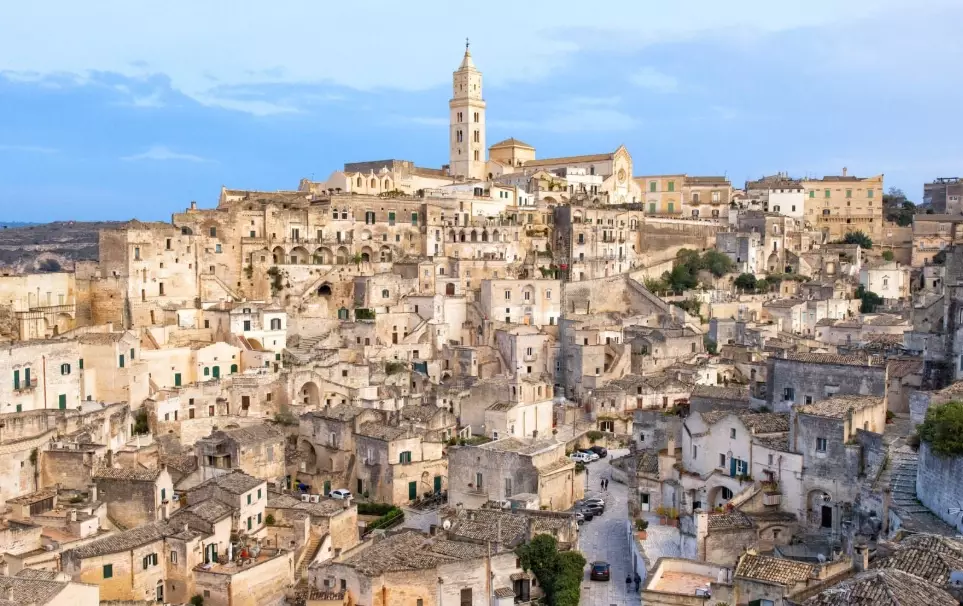
Positano is the icon. The pastel houses tumbling to the sea are every bit as stunning in person. But don't just take a photo from the bus. Stay for an evening when the day-trippers leave. Have an aperitivo at Franco's Bar (Via Cristoforo Colombo, 88) around 7 PM. It's pricey, but the view of the twilight hitting the cliffs is worth one splurge. For a meal with less flash and more substance, hike up the stepped paths to Ristorante Max Positano (Via dei Mulini, 22). Their scialatielli ai frutti di mare (a local wide pasta with seafood) is a masterclass. Expect to pay €50-70 per person.
Ravello, high above the chaos, is the coast's cultural soul. The gardens of Villa Cimbrone (€10 entry, open 9 AM–sunset) and Villa Rufolo (€7 entry) offer tranquility and vistas that feel stolen from a painting. The real pro move? Time your visit to catch a concert at Villa Rufolo during the Ravello Festival (summer months). Sitting in that ancient setting with music floating over the Gulf of Salerno is unforgettable.
The Coastal Accommodation Dilemma: Everyone wants a sea-view room. I'll be blunt: unless your budget is sky-high, you'll often get a cramped room with a sliver of blue. Consider staying in Praiano or Minori instead. You get better value, authentic village life, and are just a short SITA bus ride from the hotspots. Hotel Onda Verde in Praiano has a stunning pool carved into the cliff and rooms for €200-300/night in shoulder season—half the price of comparable Positano spots.
The Heel of Italy: Puglia's Timeless Charm
If Amalfi is the dramatic star, Puglia is the reliable, fascinating character actor. It's where Italy relaxes. The landscape is flat, dotted with ancient olive groves and surrounded by crystal-clear water on two coasts.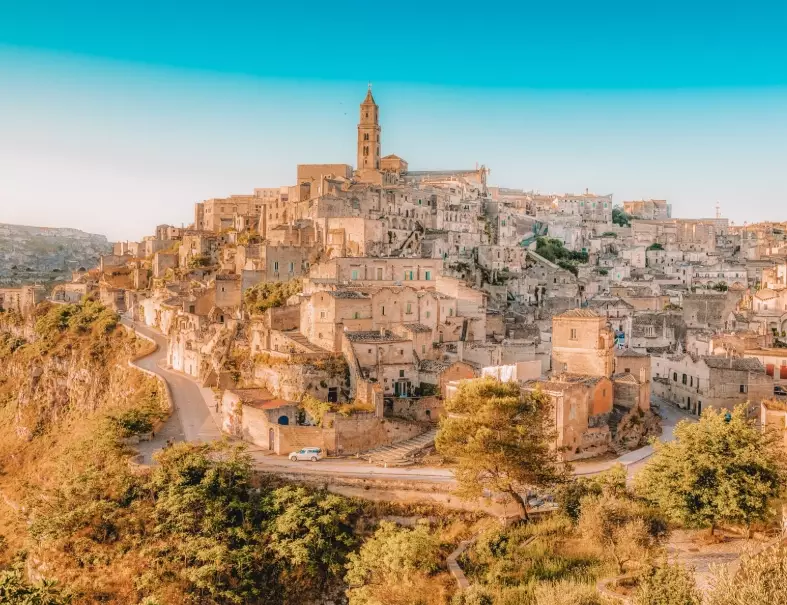
The trulli of Alberobello are surreal. These whitewashed, conical-roofed houses are a UNESCO site. The Rione Monti district is the tourist hub, but wander into the Aia Piccola district for a quieter feel. Most trulli are now shops or B&Bs. You can stay in one! Trulli Holiday Albergo Diffuso offers restored trulli with modern amenities from €120/night.
Ostuni, the "White City," is my favorite base. It's a labyrinth of white streets atop a hill, with views over olive trees to the sea. The food here is incredible. For a simple, perfect meal, go to Osteria del Tempo Perso (Via G. Tanzarella Vitale, 47). Book ahead. Their orecchiette con cime di rapa (ear-shaped pasta with bitter greens) is the standard by which all others should be judged. A full meal is about €35-45.
Most visitors stick to the Valle d'Itria (Alberobello, Locorotondo, Cisternino). The mistake? Missing the Salento Peninsula—the very heel. Here, you find Lecce, the "Florence of the South" with outrageous Baroque architecture, and beaches like Pescoluse (the "Maldives of Salento") with soft white sand.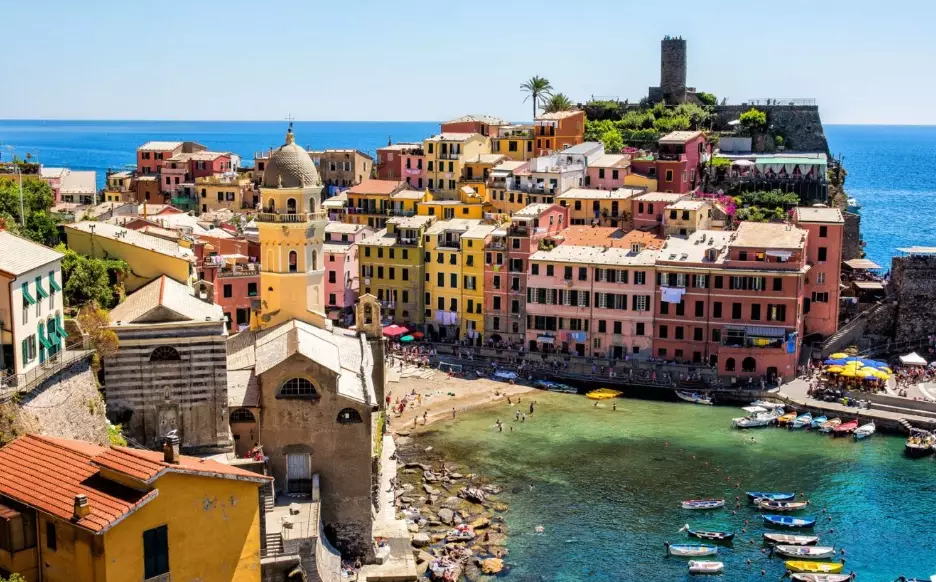
How to Structure a 3-Day Puglia Road Trip
You need a car here. Public transport won't cut it.
| Day | Base | Key Stops & Activities | Food Highlight |
|---|---|---|---|
| 1 | Ostuni or Cisternino | Explore Alberobello's trulli in the morning. Afternoon in the hilltop town of Locorotondo. Evening passeggiata in your base town. | Fresh burrata from a local caseificio (dairy farm). Eat it with just a drizzle of oil and some tomatoes. |
| 2 | Ostuni or Cisternino | Visit the coastal fortress town of Polignano a Mare. Swim in the famous Cala Porto cove. Late afternoon explore Ostuni's white streets. | Seafood lunch in Polignano. Try the tiella (a baked rice, potato, and mussel dish). |
| 3 | Drive to Lecce | Morning in the ceramic town of Grottaglie. Arrive in Lecce for late lunch. Spend the afternoon and evening marveling at Lecce's Baroque churches and Roman amphitheater. | Lecce's street food: pasticciotto (a sweet pastry) for breakfast, rustico leccese (savory pastry) for a snack. |
The Island of Sicily: Layers of History
Sicily isn't just part of Southern Italy; it's the epic, complicated summary of it. Greek, Roman, Arab, Norman—they all left a mark here. Trying to "do Sicily" in less than a week is a fool's errand. Focus.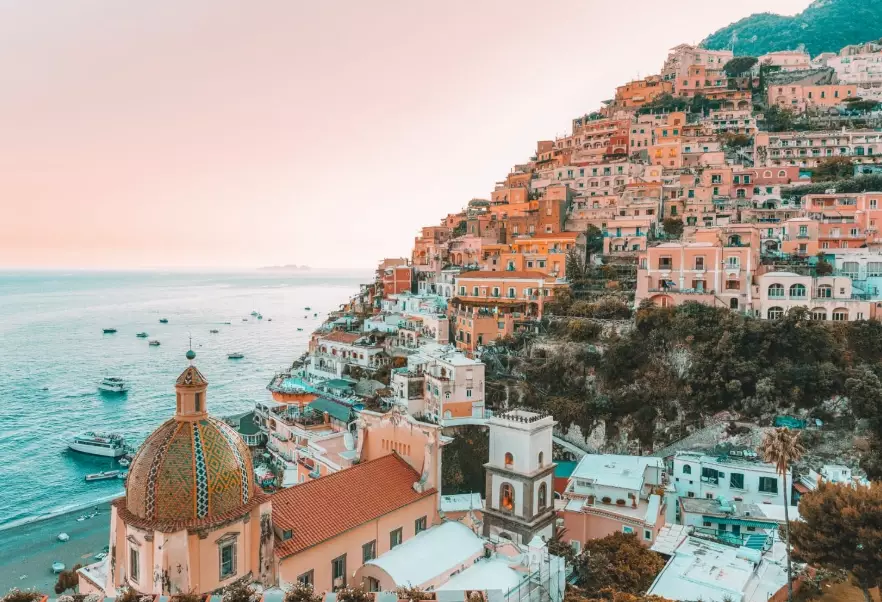
Palermo is chaotic, vibrant, and deeply authentic. The Palatine Chapel in the Norman Palace will stun you with its mix of Norman architecture and Byzantine mosaics. But the real city is in the markets: Ballarò or Vucciria. Go hungry. Eat pane e panelle (chickpea fritter sandwiches) from a stall, taste fresh ricotta, and soak in the chaos. For a sit-down meal, Trattoria Ai Cascinari (Via d'Ossuna, 43) does classic Palermitan cuisine without the tourist markup.
The Valley of the Temples in Agrigento is not a valley—it's a ridge. And it's breathtaking. The Temple of Concordia is one of the best-preserved Greek temples in the world. Go at opening (8:30 AM) or late afternoon to avoid the heat and crowds. Ticket is €13. Combine it with a visit to the stunning Turkish-style stairs of Scala dei Turchi nearby (though access can be restricted—check locally).
Then there's Mount Etna. You can take a cable car and 4x4 tour to the upper craters (around €65), but a more rewarding experience is hiking the lower, older lava flows and visiting the vineyards on its slopes. The soil here produces some of Italy's most exciting wines. A tour and tasting at a winery like Benanti or Tenuta delle Terre Nere gives you context you won't get from a postcard.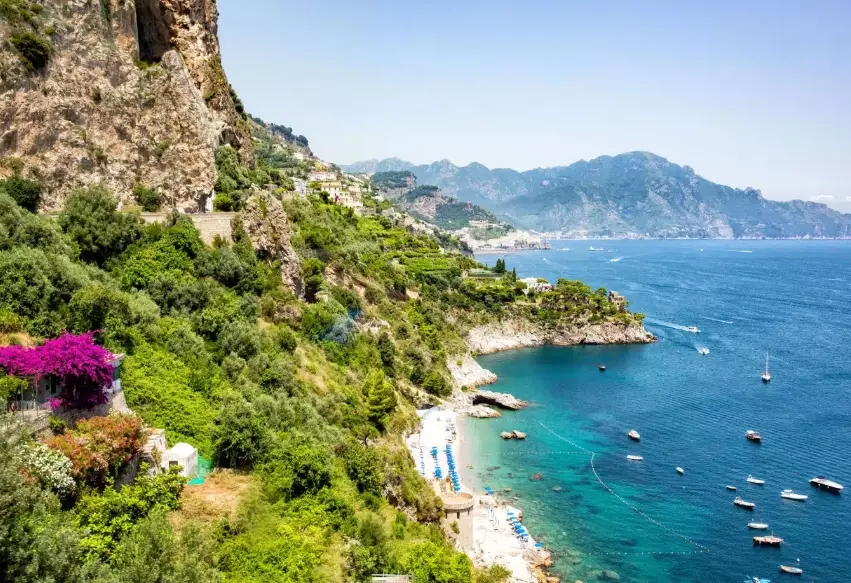
The Southern Feast: A Food Lover's Blueprint
Forget generic "Italian food." The south has its own lexicon.
Not Just Pizza: Regional Specialties You Must Try
Campania (Amalfi/Naples): This is the home of pizza Margherita. But also seek out mozzarella di bufala (buffalo mozzarella) from Paestum. Sfogliatella (a flaky, ricotta-filled pastry) is the perfect breakfast.
Puglia: Orecchiette pasta is king, often served with turnip tops or a simple tomato sauce. Frisella is a hard, twice-baked bread you soften with water and top with tomato and oregano. Burrata (creamy mozzarella) is a religious experience here.
Sicily: Arancini (fried rice balls). Pasta alla Norma (with eggplant, tomato, and salted ricotta). Granita (flavored ice) with brioche for breakfast. It's Arab influence on a plate.
Avoid restaurants with multi-language menus plastered with photos right on the waterfront piazza. Walk two streets back. Look for places full of locals, with a handwritten menu on a chalkboard (il menu della casa). That's where you'll eat well.
The Practical Guide: Getting Around & Staying Smart
Logistics can make or break your trip.
Transport: For the Amalfi Coast, you're relying on SITA buses or ferries. Buy bus tickets at tabacchi shops before boarding. Driving the coast road is stressful and parking is prohibitively expensive. In Puglia and Sicily, rent a car. It's the only way to access the best beaches, masserie (fortified farmhouses), and hill towns. Book an automatic transmission well in advance if you need one—they're scarce.
When to Go: July and August are hot, expensive, and packed. May, June, September, and early October offer near-perfect weather, fewer crowds, and better prices. The sea is warm enough for swimming well into October.
Safety & Pace: Southern Italy is generally safe. Petty theft (bag snatching, pickpocketing in crowded markets) is the main concern. Be vigilant, but not paranoid. The real adjustment is the pace. Things move slower. Shops close for riposo (midday break) from 1-4 PM. Dinner rarely starts before 8 PM. Embrace it. This slower rhythm is the point.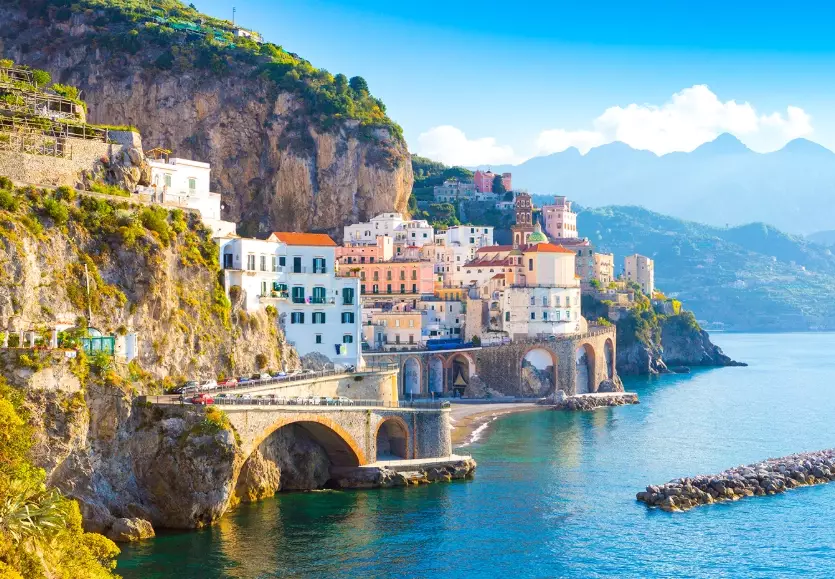
Your Southern Italy Questions, Answered
It's safe, but it's not for the faint-hearted. City traffic, especially in Naples or Palermo, is chaotic and follows its own loose set of rules. Scooters dart everywhere. Outside cities, roads are fine. The key is confidence and defensive driving. Rent a small car—narrow streets in ancient villages were not built for SUVs. Always get full insurance with zero excess.
Trying to cover too much ground. Rome, Amalfi, Puglia, and Sicily in 10 days? You'll spend it all in transit. Pick one region, maybe two if you have two weeks, and go deep. You'll have a richer experience and actually remember the places you visited instead of just the train stations.
Avoid the famous names like Positano's Spiaggia Grande. On the Amalfi Coast, take a boat to Da Aldo's at Laurito Beach or hike the Path of the Gods down to Arienzo Beach. In Puglia, skip the crowded resorts around Monopoli. Head south to the Salento peninsula for beaches like Baia dei Turchi near Otranto or the dunes of Porto Selvaggio—you might need a bit of a walk to reach them, which keeps the crowds thin.
Attend a local sagra (food festival). Every town, especially in Puglia and Sicily, has them in summer and fall celebrating anything from olives to onions to fish. It's all locals, cheap food, and a genuine party atmosphere. Also, stay in a masseria in Puglia or an agriturismo in Sicily. These working farms offer accommodation and meals made from their own produce. You eat with the seasons and the owners often love sharing their way of life.
Reader Comments